
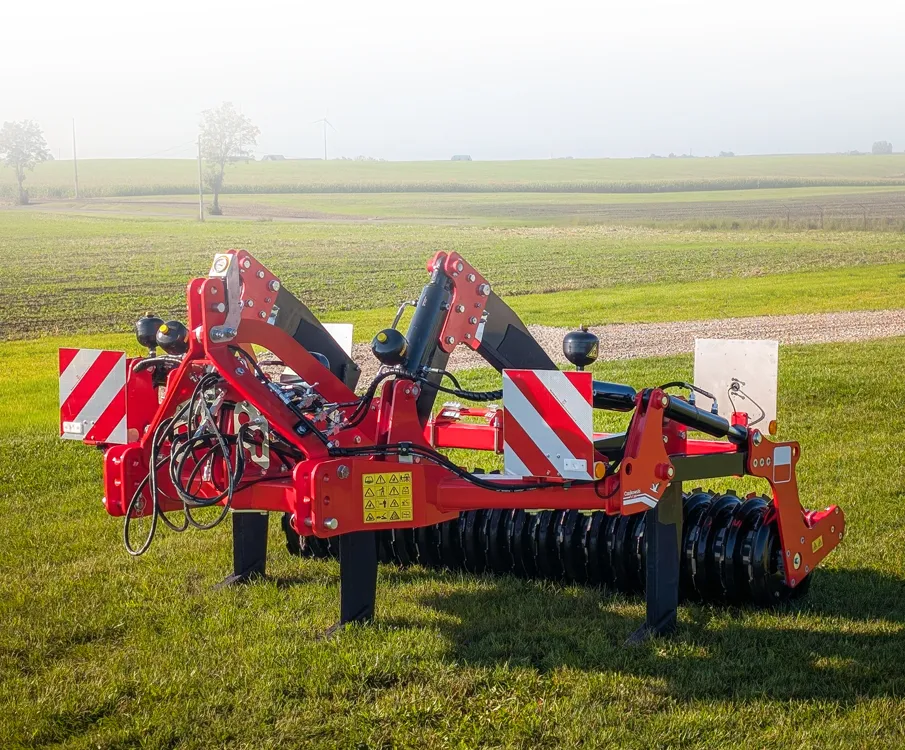
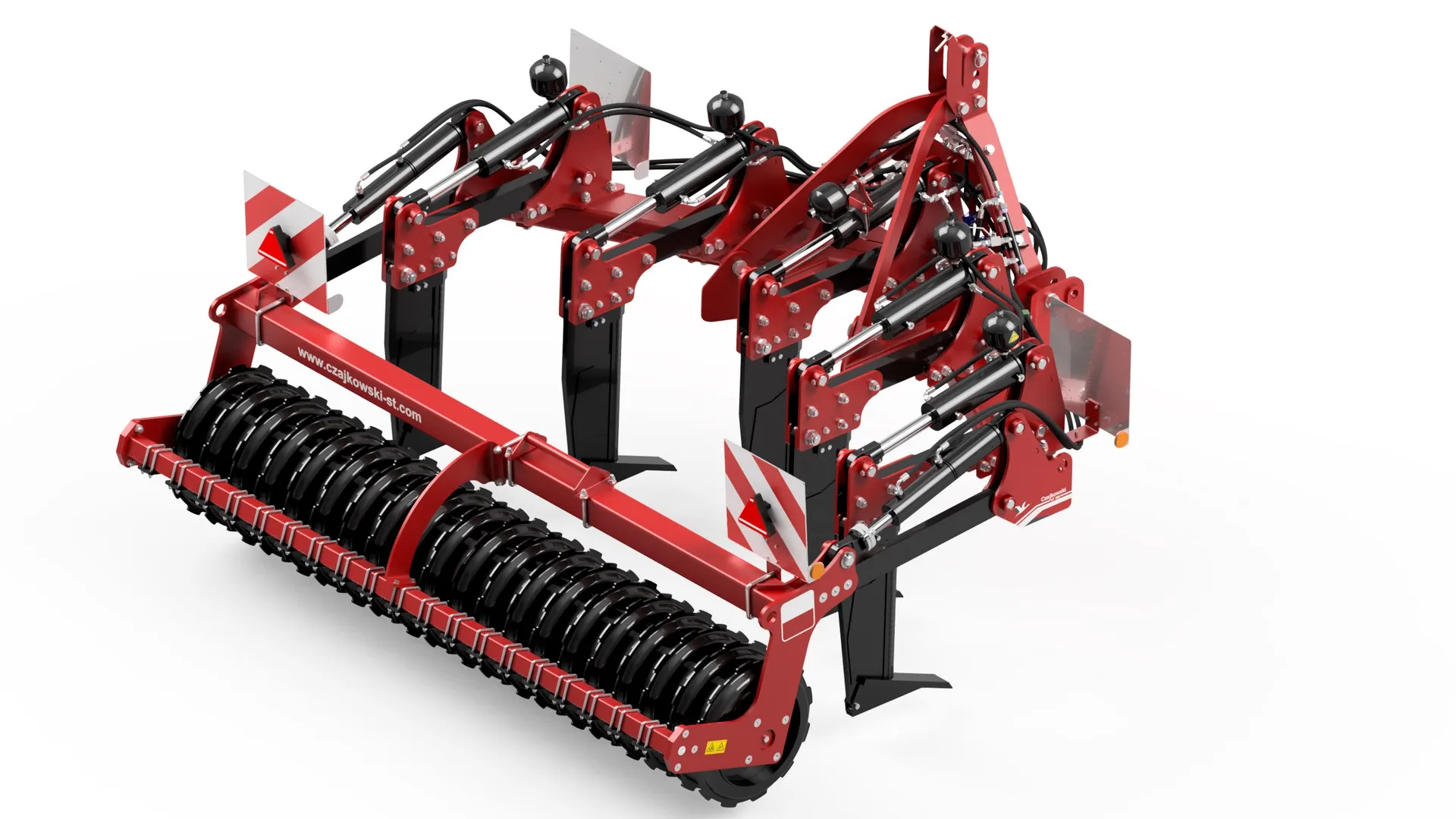
VT 300 subsoiler — rebuild your soil structure down to 60 cm
Vertical tillage without inverting or mixing the soil profile. Break up the plough pan, improve water retention and let roots reach deeper.
Downloads
VT 300 subsoiler brochure
Download the official VT 300 brochure with key technical specifications, machine construction and the benefits of vertical tillage.
Why is subsoiling worth it?
Correct soil structure is the key to success
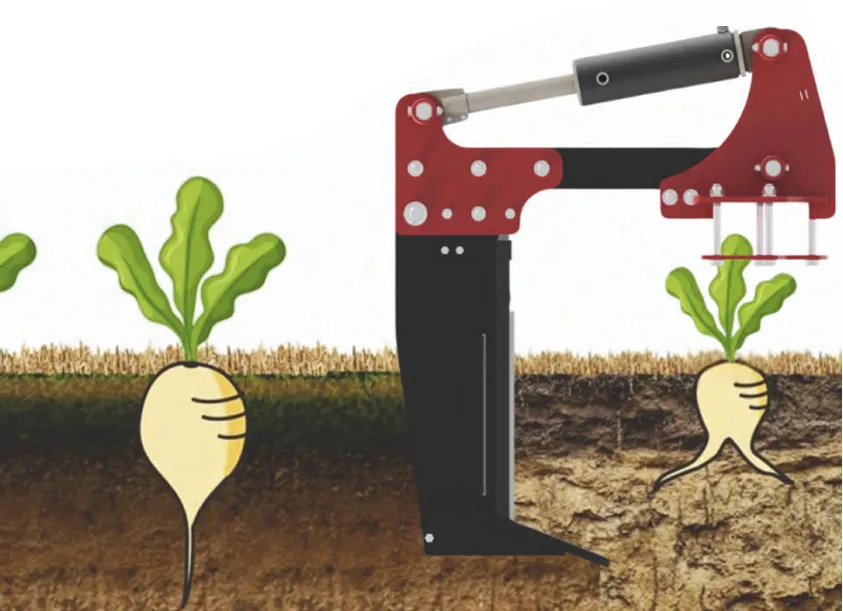
Subsoiling is a soil-improvement operation that loosens the soil below the compacted layer without inverting or mixing it, preserving the layered structure of the soil profile. A special tool is used for this – the subsoiler, which consists of several long, narrow tines that cut through and loosen the compacted soil layer, lifting and cracking it.
- Improved soil structure
- Balanced water and air relations
- Increased water retention
- Deep plant rooting
- No waterlogging
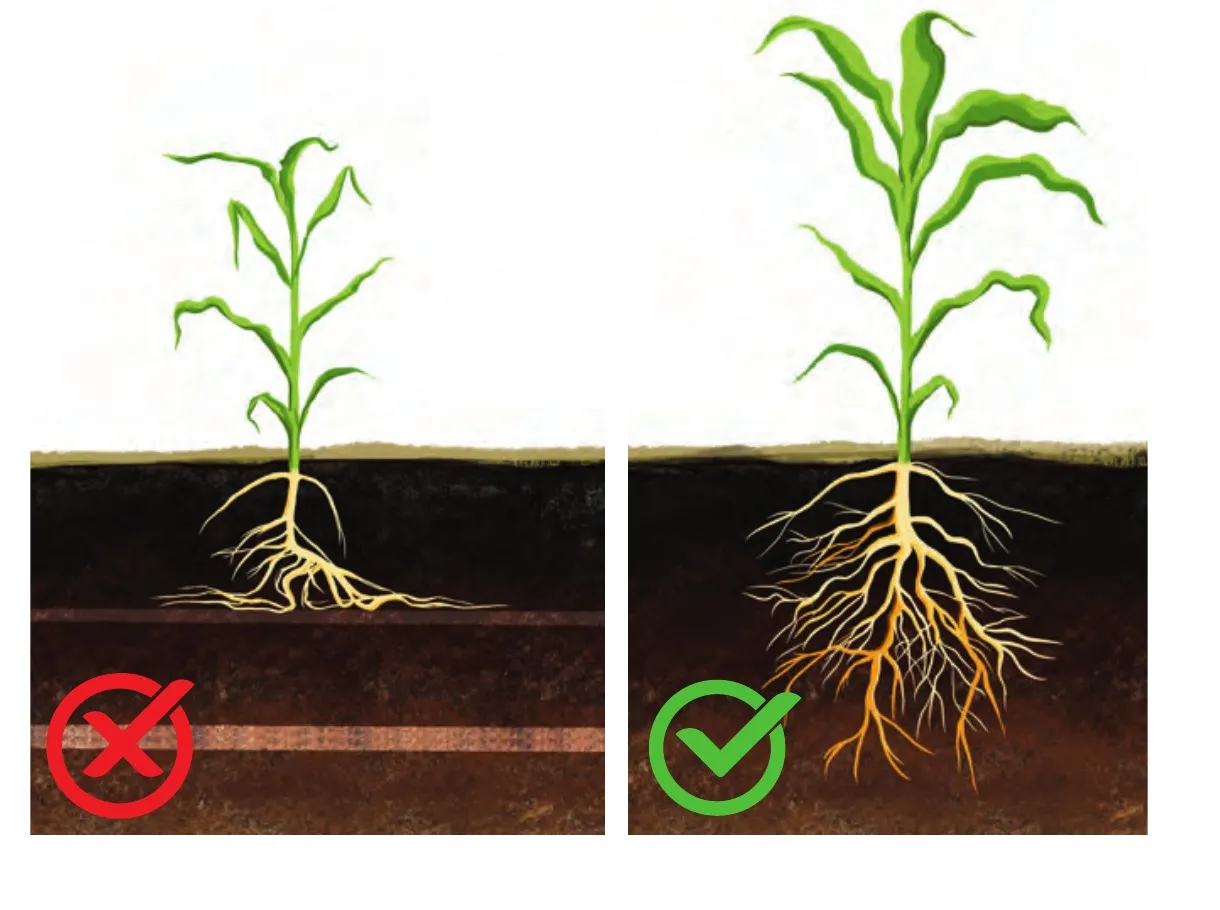
Ideal soil composition
Effects of excessively compacted soil
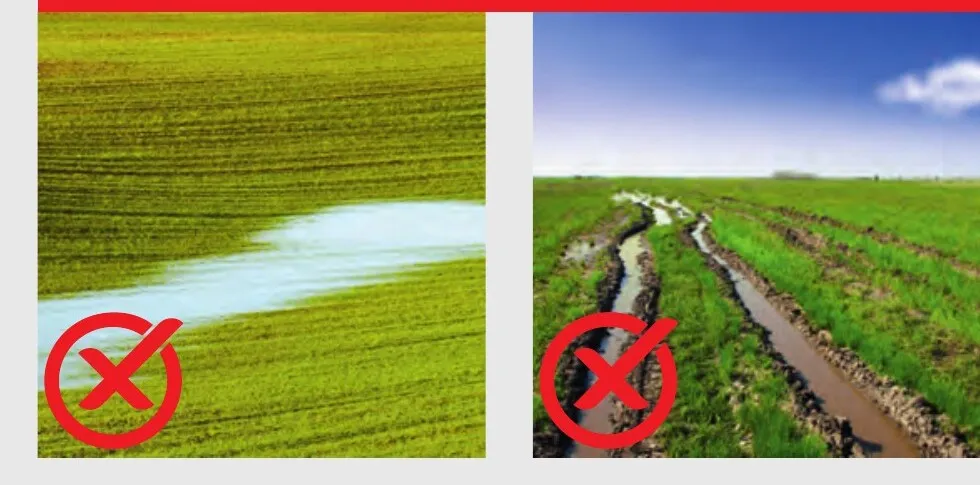
It reduces porosity, slows water infiltration and drainage, causes waterlogging and erosion, and inhibits root system development.
No soil compaction
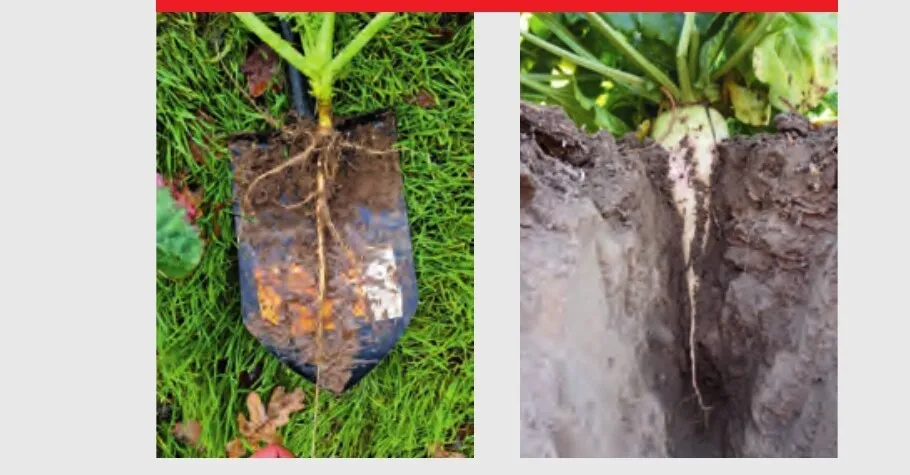
A correct structure makes deep plant rooting easier, improves water retention and provides excellent conditions for growth and yield.
Work exactly where the problem really is
The VT 300 loosens the soil to a working depth of up to 60 cm — that is, below the typical compaction zone created by years of cultivating at the same depth. This gives you full control over the range of the operation: you go down exactly where you detect the plough pan and break it up without disturbing the humus layer above.
Under-frame clearance: 89.2 cm
Under the VT 300 frame you have 89.2 cm of free space — this is exactly where the soil lifted by the tines has room to pass freely, without building up in front of the frame and without clogging.
When subsoiling at 45 cm you still have 44.2 cm of clearance under the frame — soil and crop residue pass freely beneath the machine.

Vertical tine
The tine loosens and cuts the soil, improving water and air relations while keeping interference with the layered profile structure to a minimum. This is where all the machine's work takes place — which is why we designed it around a simple, economical service concept.
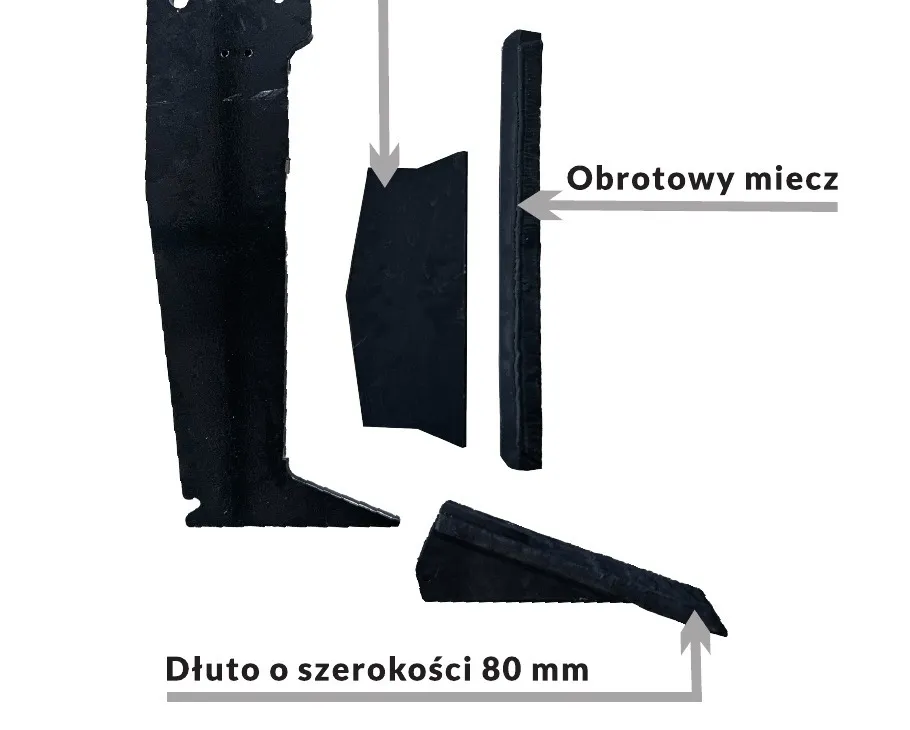
A 3-part wear-component replacement concept
The soil-contact zone is made up of three replaceable components, each replaced individually — you only pay for what has actually worn out.
| Component | Function |
|---|---|
| Chisel point (80 mm wide) | Penetrates the soil and guides the tine at the set depth |
| Rotatable blade | Cuts and loosens the compacted layer |
| Tine guard (rotatable) | Protects the tine against abrasive wear |
Double the service life of blade and guard
The blade and guard can be rotated 180°. When one edge wears out, simply turn the component over — and you keep working on the second, fresh side. In practice this means twice the working time from a single set before you even think about buying a new one.
The option to disengage any tine from work
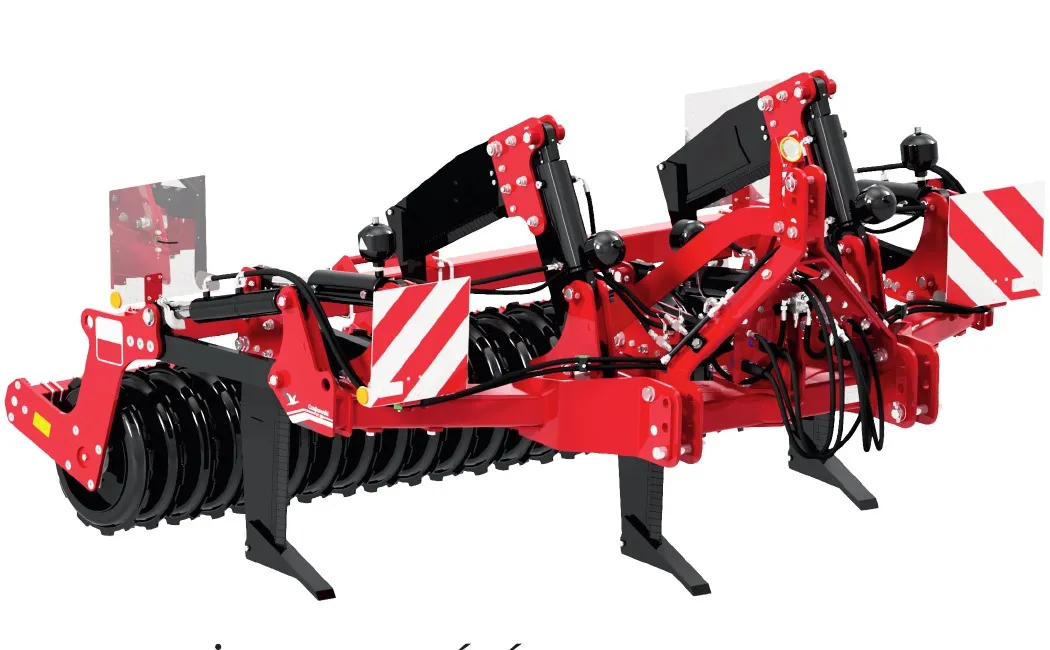
The independent mounting of each of the 5 tines lets you disengage any one of them without dismantling the machine. You can adapt the subsoiler to field conditions — avoid obstacles, adjust the spacing to inter-row cultivation, or reduce the load on the tractor whenever needed.
- Working with 3, 4 or 5 tines — depending on need
- The machine's working symmetry is maintained
- No dismantling required — disengaging takes a few minutes
No clogging — even in heavy crop residue
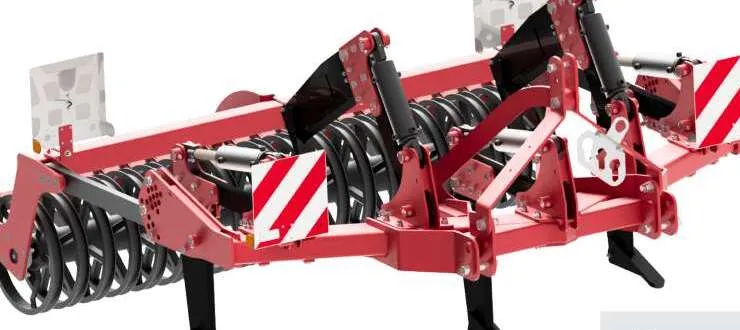
Working after grain maize is a test for any subsoiler: a lot of long, hard straw and thick root stumps. The VT 300 was designed to let residue pass through rather than pile it up in front of the frame.
The 5×60 cm tine spacing creates wide flow channels between the tines — residue passes freely instead of forming blockages.
The V-shaped frame guides straw outwards, reducing the risk of material bridging at a single point.
The 89.2 cm under-frame clearance lets a large mass of residue pass freely beneath the structure without clogging — even at maximum working depth there is plenty of free space left.
Matched power, full use of the machine
The minimum power requirement for the VT 300 is from 200 hp — an exceptionally low figure for a machine of this working width and depth. This is possible thanks to the unique option of disengaging (lifting) individual tines: you match the number of working tines to the tractor's power and field conditions, without rebuilding the machine.
Subsoiling is by nature an energy-intensive operation, but compared with conventional ploughing it is less time-consuming and more energy-efficient per unit of area. The real power requirement depends on the soil profile, the working depth and the soil moisture — the most favourable conditions are an operation after harvest, when the soil is still moderately moist.
💡 Practical tip
A subsoiler is not used every year — usually once every few years. A one-time correctly matched tractor power will comfortably handle the operation within the optimal agrotechnical window.
Full control over the machine's work
Non-stop hydraulic tine protection
Each tine is protected hydraulically in a non-stop system — when it hits a stone or an obstacle, the tine lifts and automatically returns to work, with no downtime and no risk of damage.
The option to disengage any tine from work
You can disengage each section from work independently. This is real flexibility: you adapt the layout of the working tines to field conditions, to tramlines or to a specific crop — without compromise and without rebuilding the machine.
Why does the VT 300 work without wings?
This is a common question — and the answer follows directly from the philosophy of vertical tillage. The VT 300 is a subsoiler, not a stubble cultivator. Its task is to loosen and cut the soil vertically without inverting or mixing it — preserving the layered structure of the soil profile. The 80 mm wide chisel point works vertically: it lifts and crumbles the compacted layer, and the profile rebuilds itself naturally.
They would increase the mixing and disturbance of soil layers — exactly what subsoiling is meant to prevent
They would raise working resistance and power demand
They would change the machine's mode of work from soil-improvement to cultivation
Key features
- V-shaped frame layout — lower draft and no horizontal compression of the soil structure
- Vertical shape of the working elements eliminates soil mixing and inversion
- Maximum working depth: 60 cm
- Independent mounting of 5 tines — any of them can be lifted out of work
- Working width of 3.0 m
Packer rollers
Choose from five roller options — match consolidation and clod breaking to your soil type and working conditions. Czajkowski recommends the DD ring roller Ø 600 mm and the U-profile roller Ø 600 mm.
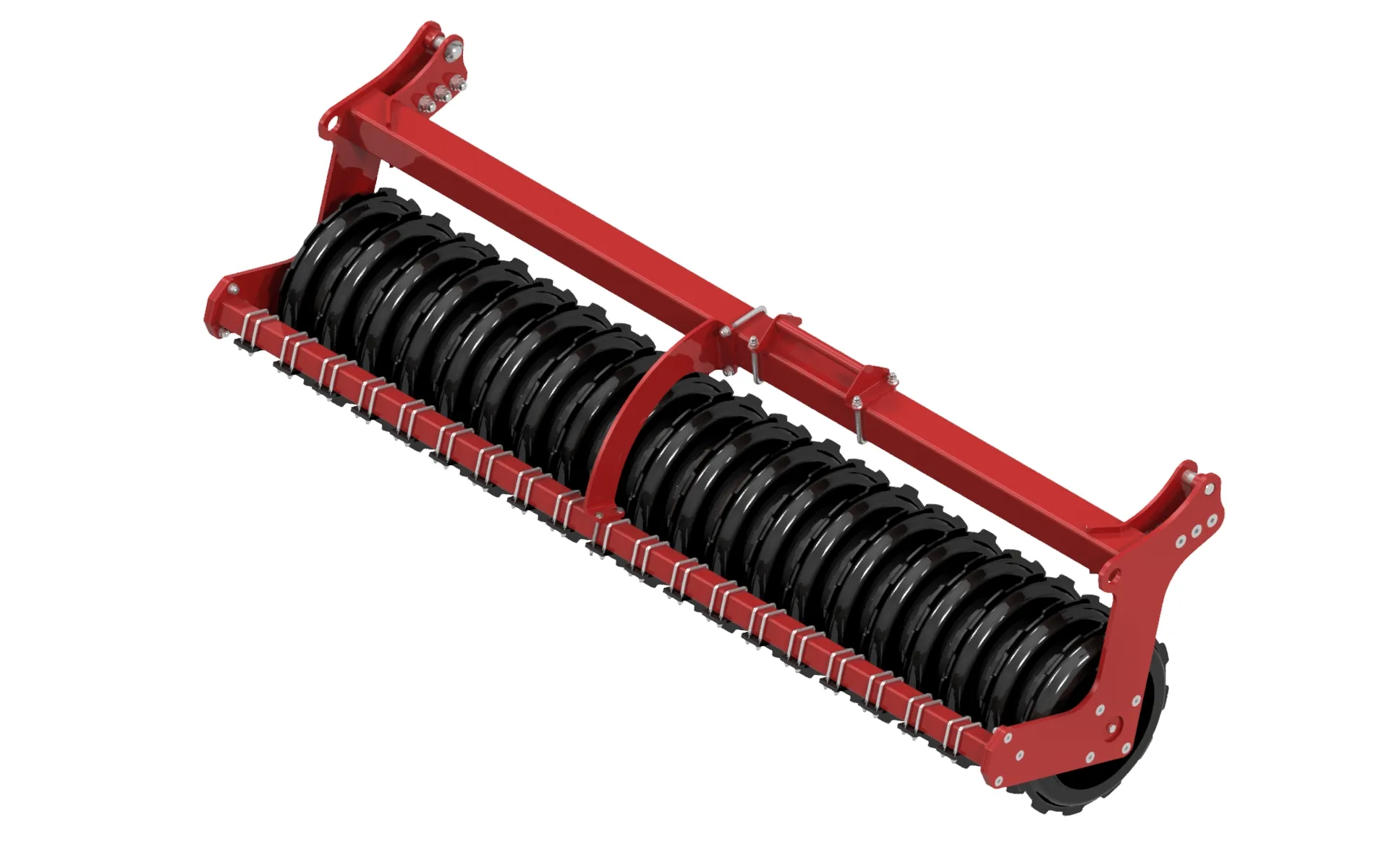
DD ring roller
Ø 600 mm
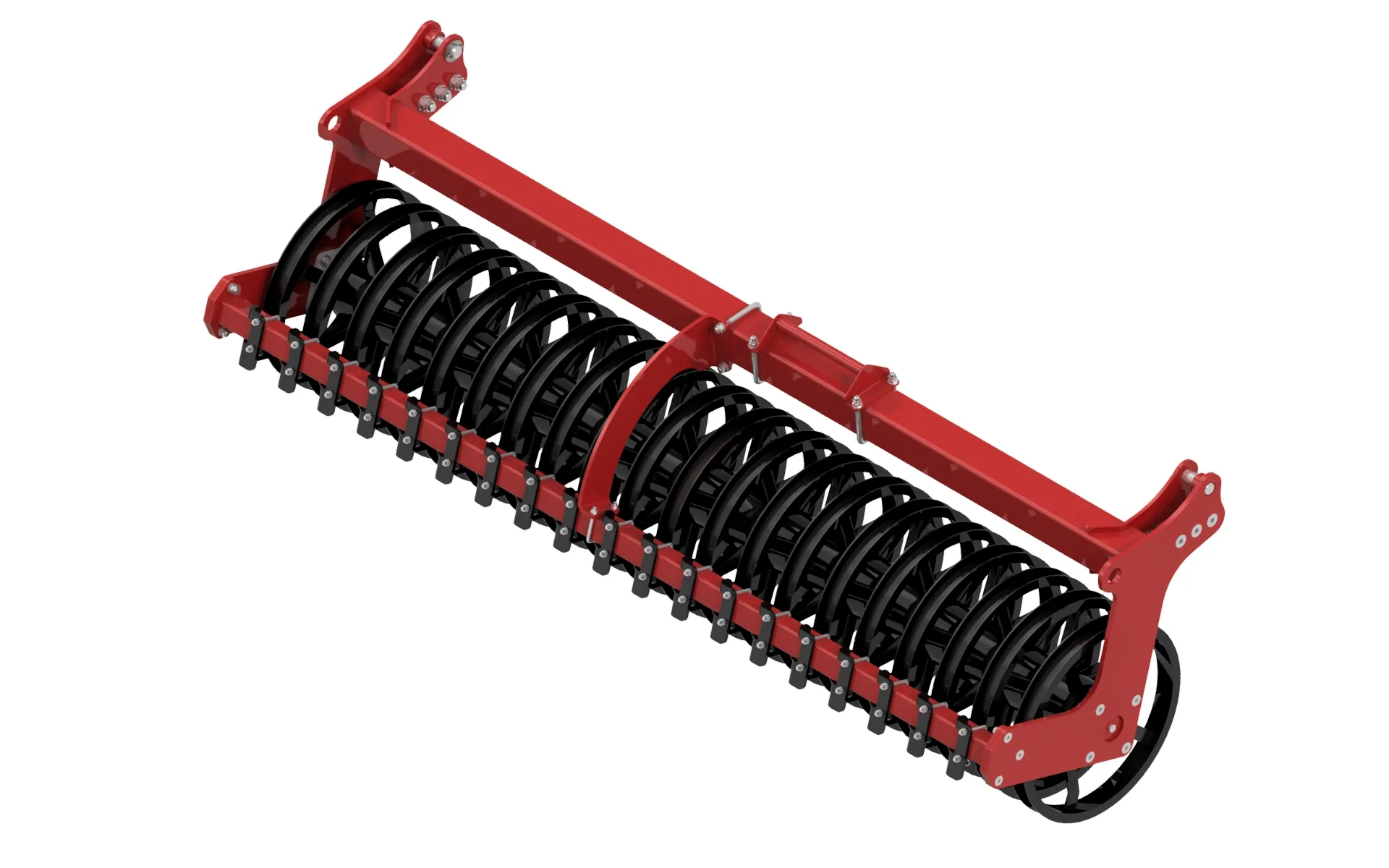
U-profile roller
Ø 600 mm
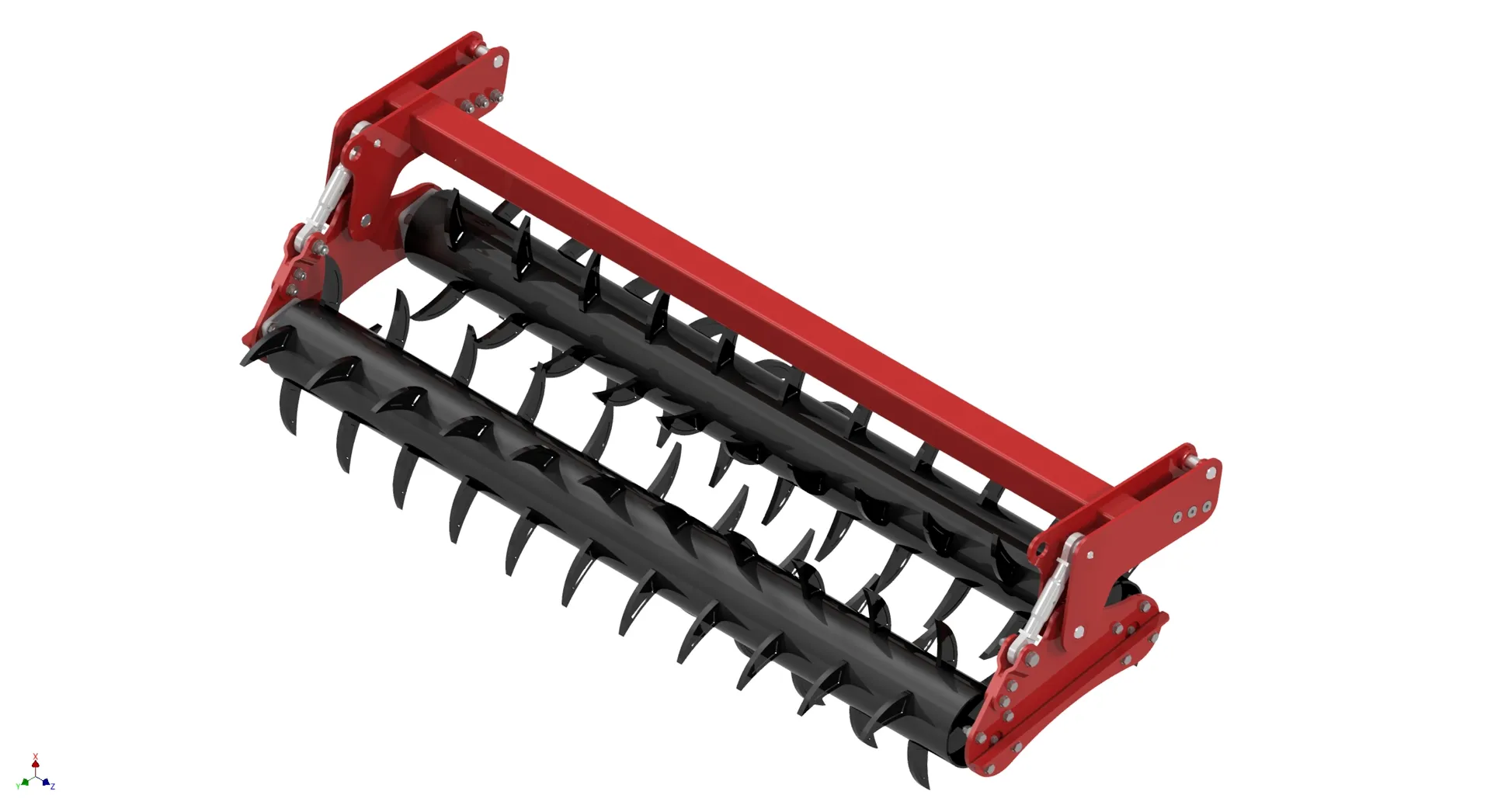
Spiked roller
tandem
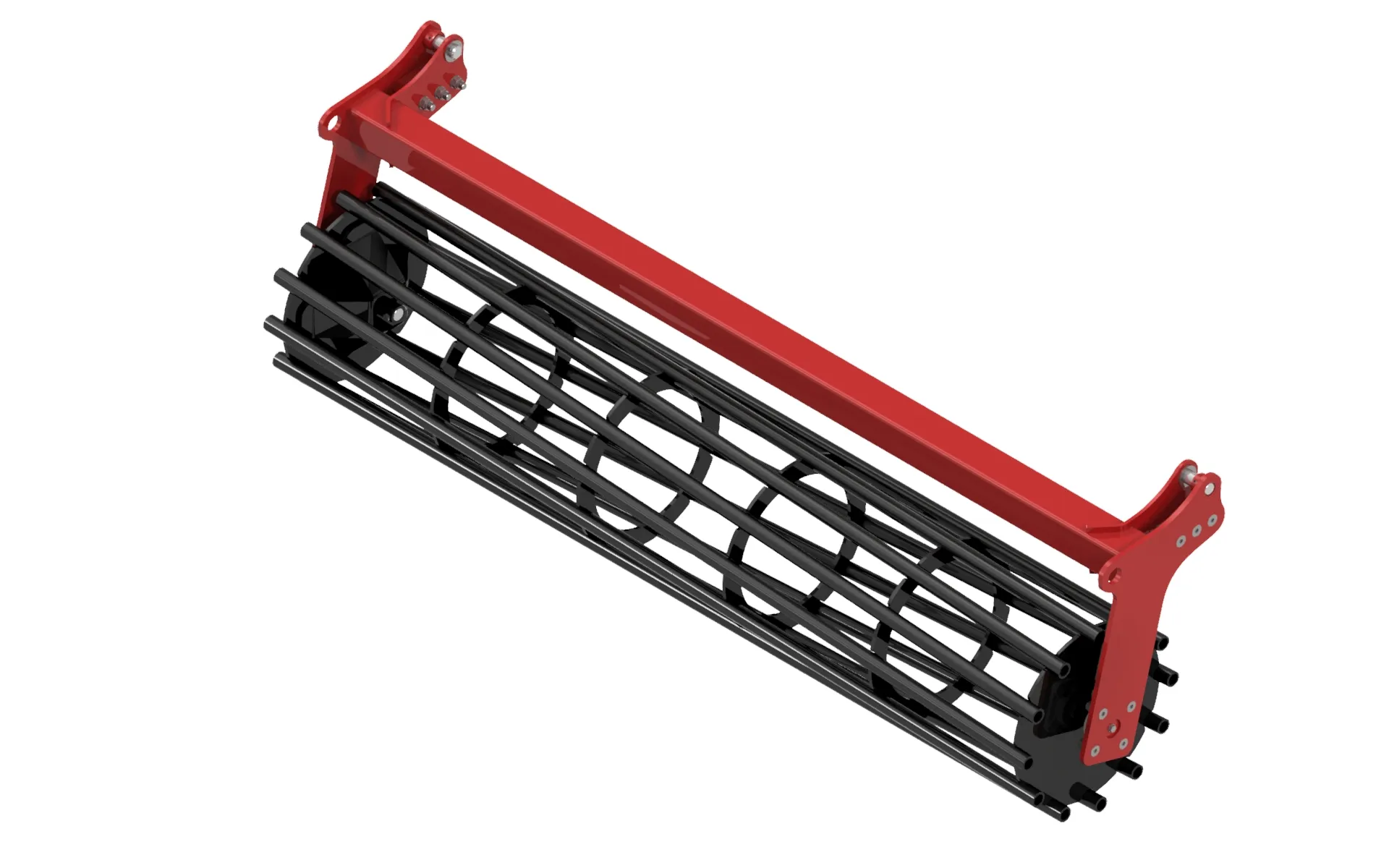
Tube roller
Ø 600 mm
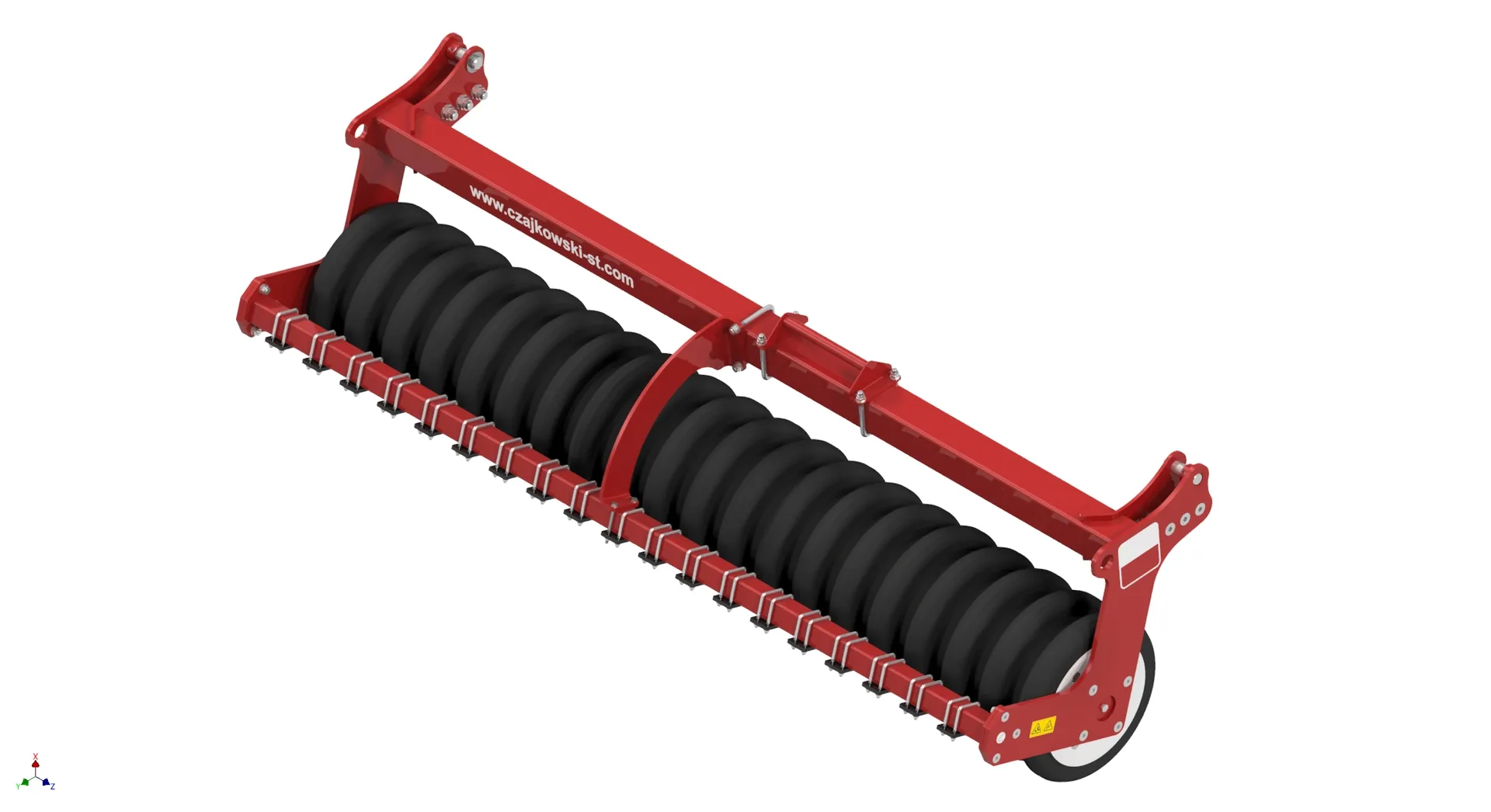
Rubber roller
Ø 500 mm
Not sure which roller to choose? We'll advise you — write or call.
Technical specification
| Working width | 3,0 m |
| Version | mounted |
| Frame | V-type |
| Number of tines | 5 (spacing 5×60 cm) |
| Tine protection | hydraulic non-stop |
| Working depth | up to 60 cm |
| Under-frame clearance | 89,2 cm |
| Chisel point width | 80 mm |
| Standard roller | U-profile Ø 600 mm |
| Min. power requirement | from 200 HP* |
| Own weight | 2100 kg |
* Such a low power requirement is possible thanks to the unique option of disengaging (lifting) individual tines — you can match the number of working tines to field conditions and tractor power. The actual power requirement depends on the soil profile, working depth and soil moisture.
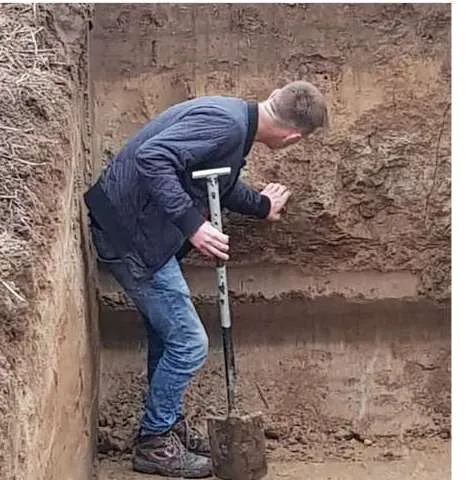
Be sure to check at what depth the plough pan occurs!
This is crucial for setting the correct working depth of the subsoiler. Check the conditions in the field so that the operation is 100% effective and does not needlessly increase draft.
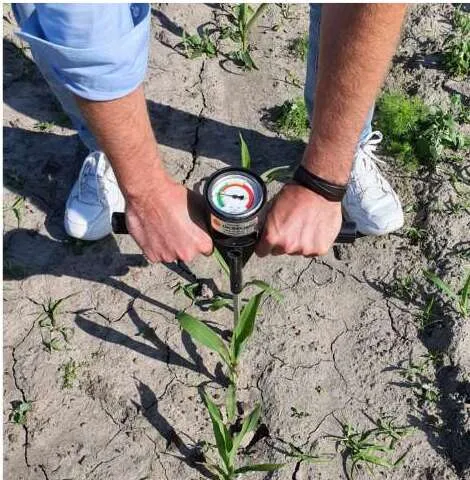
Order the VT 300 subsoiler — SCT penetrometer for 1 PLN
The SCT soil penetrometer lets you precisely identify at what depth the plough pan occurs — that is, how deep you really need to subsoil. It is a tool that pays for itself on the very first operation, because it lets you set the working depth deliberately rather than by guesswork.
When you order the VT 300 subsoiler, you receive a professional SCT penetrometer (with a certificate) for a symbolic 1 PLN net. Limited offer — while stocks last.
The offer is valid until 30 June 2026. The number of sets is limited.
Tell us about your farm — we'll tailor the VT 300 configuration
Fill in this short form. Michał will call back with a proposal matched to your acreage and crops — usually the same working day.
Michał Łuciów
Technical & sales advisor
What we'll prepare for you
- – selection of the number of working tines
- – a recommendation on the roller type
- – a quote with a bonus (SCT penetrometer for 1 PLN)
- – delivery and training schedule